Traditional Panjabi Neckline SVG
As a designer with years of experience in embroidery and digital product creation, I’ve evaluated countless designs for real-world use. Traditional Panjabi Neckline SVG caught my attention not just for its aesthetic appeal but for its potential to elevate traditional fashion projects. This design is ideal for those looking to add cultural flair to custom apparel, handmade gifts, or boutique merchandise. Let’s dive into what makes this design stand out—and where it might need a bit more consideration.
The First Impression: A Design Rooted in Tradition
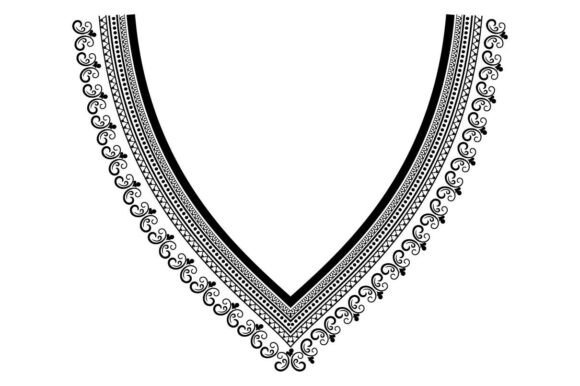
From the moment I opened the Traditional Panjabi Neckline SVG, I was struck by its clean lines and intricate detailing. The design captures the essence of a classic Panjabi neckline, blending simplicity with elegance. Its layout is well-balanced, making it suitable for a variety of fabric types and garment styles. The visual personality feels authentic, as if it were drawn from a traditional kurta pattern, which gives it a unique edge in the world of machine embroidery design.
This design is perfect for anyone looking to incorporate ethnic elements into their work. Whether you're creating a custom embroidered tote bag or a personalized baby onesie, the Traditional Panjabi Neckline SVG adds a touch of heritage without overwhelming the piece.
Real-World Use: Where It Shines and Where It Might Need Adjustments
I tested the Traditional Panjabi Neckline SVG on several fabrics, including cotton, linen, and lightweight denim. On smooth, flat surfaces like t-shirts and tote bags, the design stitched beautifully. The satin stitch and fill stitch areas were crisp, and the overall look was professional. However, when I tried it on a stretchy fabric like a sweatshirt, the design slightly distorted at the edges. This is something to keep in mind if you're planning to use it on garments that require flexibility.
For baby clothes, the design worked well, especially when paired with soft pastel thread colors. The details were visible without being too busy, which is important for small items. On the other hand, if you're planning to use it on a cap or a curved surface, you may need to adjust the hoop size or consider an applique design to ensure the stitches lay flat.
One thing I noticed was that the design has some fine details in the corners. If you're working with a small hoop, these could be challenging to stitch accurately. It’s always a good idea to test the design on scrap fabric before committing to a finished product.
Visual Appeal and Customer Perception
The Traditional Panjabi Neckline SVG has a strong visual presence that can enhance the value of any handmade product. When used on a custom sweatshirt or a decorative pillow cover, it adds a sense of authenticity and craftsmanship. Customers often respond positively to designs that reflect cultural or traditional elements, which can increase the perceived value of your work.
When it comes to customer trust, a well-executed embroidery project can make all the difference. The clarity of the stitching and the consistency of the design play a big role in how customers view your brand. If the Traditional Panjabi Neckline SVG is executed properly, it can contribute to a professional-looking finished product that stands out in a crowded market.
For Etsy sellers and craft business owners, this design could be a valuable addition to your digital product library. It’s versatile enough to be used in printable mockups, digital embroidery files, or as part of a larger collection of design assets.
Where to Be Cautious: Practical Considerations
While the Traditional Panjabi Neckline SVG is visually appealing, there are a few areas where caution is advised. If you're using it on dark fabric, the contrast between the thread color and the background becomes crucial. A light-colored thread might not show up well, so it's worth testing different options.
Another consideration is the stitch density. If the design is too dense, it could cause the fabric to pucker or become stiff. Always check the stitch density settings on your embroidery machine and adjust them as needed. For thin or textured fabrics, a stabilizer is essential to prevent distortion.
If you're planning to use this design for commercial embroidery projects, make sure you understand the licensing terms. Some designs come with restrictions on how they can be used, especially if you're selling finished products or digital files. Always confirm the terms before proceeding.
Design Notes for Embroidery Professionals
Here are a few practical tips for working with the Traditional Panjabi Neckline SVG:
- Test on scrap fabric first to see how the design looks and behaves on your chosen material.
- Check thread color contrast to ensure visibility on both light and dark backgrounds.
- Review stitch density to avoid over-stitching or under-stitching issues.
- Confirm hoop size to ensure the design fits comfortably without stretching or distorting.
- Inspect small details to make sure everything is clear and well-defined.
- Test in black and white mockups to evaluate the design’s structure and balance.
- Use proper stabilizer for delicate or stretchy fabrics to maintain shape and quality.
- Verify licensing to ensure the design is suitable for both personal and commercial use.
These steps can help you get the most out of the Traditional Panjabi Neckline SVG while avoiding common pitfalls.
Final Thoughts: A Design Worth Considering
The Traditional Panjabi Neckline SVG is a strong candidate for embroidery projects that aim to blend tradition with modern design. Its clean lines, cultural significance, and adaptability make it a valuable asset for designers, small business owners, and crafters alike. While it requires careful handling in certain situations, the final result can be both beautiful and meaningful.
Whether you're creating a personalized gift, a custom apparel piece, or a boutique product, this design offers a unique opportunity to showcase craftsmanship and heritage. With the right approach, the Traditional Panjabi Neckline SVG can become a staple in your embroidery toolkit.